
Why Pet Odor Returns (and How Enzyme Treatment Helps)
The most frustrating carpet problem isn’t a visible stain—it’s the smell that comes back after you thought you fixed it.
You clean the spot. It smells better. Then a few days later (or when humidity rises), the odor returns—especially in basements, bedrooms, and the same “favorite accident corner.”
Your site explains why: pet odors don’t just sit on the surface. They can sink into carpet fibers, padding, and even subfloor, and severe/old contamination may require additional steps beyond normal cleaning.
Why odors return (three common reasons)
One: the source is still there.
Standard cleaning may improve the visible area but leave microscopic organic residue behind in backing/underlay. Your FAQ explains that odors may return after drying if the source remains.
Two: humidity “reactivates” organic residues.
Your enzyme page specifically mentions organic stains that keep re‑activating with humidity and that basements/high‑humidity rooms can make odors reappear.
The United States Environmental Protection Agency notes indoor humidity management matters; keeping relative humidity ideally around 30–50% helps reduce moisture problems that can worsen indoor issues.
Three: products “mask” instead of removing.
Many deodorizing sprays cover smell temporarily, but organic residues can remain.
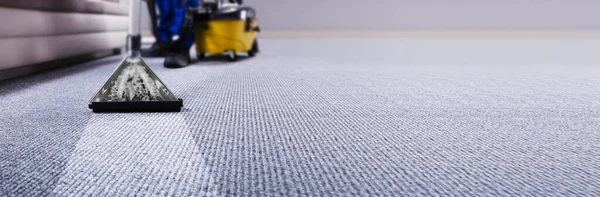
The fix: enzyme treatment + deep extraction (not perfume)
Your enzyme service is designed to do two things:
- apply the right enzyme‑based formula and allow proper dwell time
- perform deep extraction to remove loosened contaminants and residue
Where to mention enzyme in the article (simple explanation):
Enzymes are catalysts used in cleaning because they’re highly targeted—like tiny “scissors” that break down specific soils (protein, starch, fat) into smaller pieces that are easier to remove.
That’s why enzyme treatment is especially relevant for:
- urine odor / ammonia smell
- repeated accident areas
- “mystery smell” where shampooing didn’t help
There’s also peer‑reviewed evidence that “urine odor in carpet” is not a one‑size‑fits‑all problem: a classic comparative study in the Journal of the American Veterinary Medical Association found that different products varied widely in effectiveness for eliminating cat urine odor and preventing its return after cleaning.
What you should do right now (if there’s a fresh accident)
- Blot (don’t scrub).
- Avoid over‑wetting the area (it can push contamination deeper).
- If odor persists or the area was hit multiple times, book professional treatment sooner rather than later—older contamination typically needs deeper work.
What to expect from professional treatment
Your process includes inspection and mapping of odor zones, targeted pre‑treatment, enzyme application (dwell time matters), and then deep extraction/rinse as appropriate—plus aftercare tips for airflow and drying.
Pricing clarity (so you don’t hesitate)
Enzyme treatment rates are listed from $97/hour with a 2‑hour minimum booking, and benefits depend on area size, number of zones, and severity.
If the issue is mainly “general dirt + light stains,” start with carpet shampoo cleaning from $57/hour (same minimum).
Soft CTA: If you can tell us (1) how many areas smell, (2) whether it’s old or recent, and (3) your postal code, we can recommend the simplest plan. Send photos if possible—your site explicitly invites that for faster, more accurate quotes.